
Banana Powder in 2026: Market Growth, Applications, and Why Quality Sourcing Matters
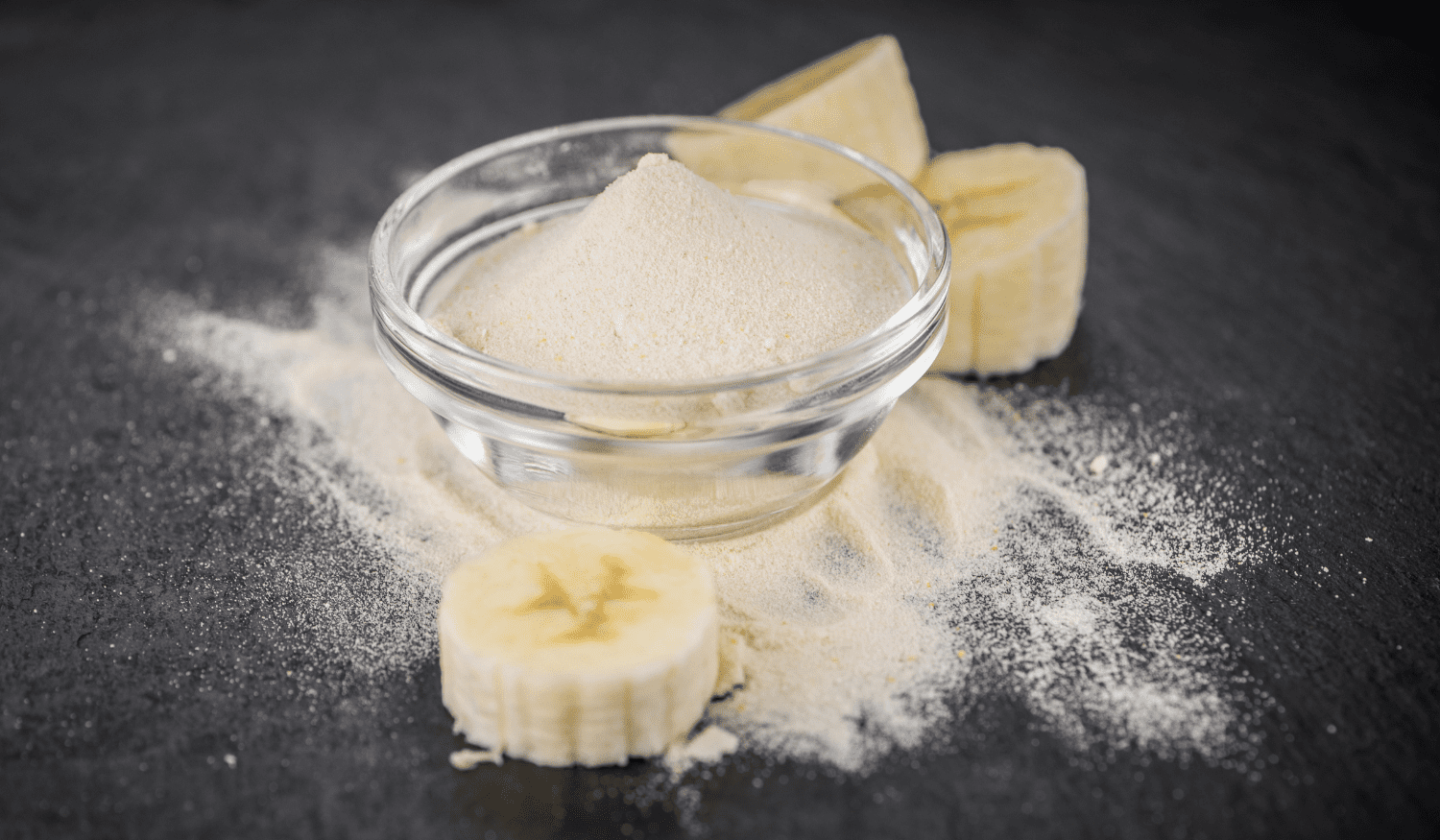
Banana powder has rapidly evolved from a niche ingredient into a globally recognized staple across multiple industries, reflecting broader shifts in consumer preferences as well as ongoing innovation among freeze-dried fruit powder manufacturers. Produced by drying and milling banana pulp into a fine, shelf-stable powder, it offers a concentrated source of nutrients alongside remarkable versatility. As of 2026, the global banana powder market continues to expand steadily, driven by demand for natural, functional, and clean-label ingredients across food, health, and beauty sectors. This growth is not only a reflection of changing consumer habits but also of advancements in production and sourcing that are reshaping how this ingredient is used worldwide.
In this article, we’ll discuss market growth trends, emerging applications, and why choosing reliable suppliers for high-quality banana powder is key.
Expanding Applications Across Industries
Banana powder has long been used in food, health, and beauty products, but in recent years, the scale and purpose of its use have changed. With the global banana powder market valued at approximately $12.6 billion in 2024 and projected to exceed $22 billion by 2033, its growth is tied not just to demand but also to how manufacturers reformulate products. As brands reduce artificial additives and simplify ingredient lists, banana powder is increasingly used as a multi-functional ingredient across several industries:
- Food and Beverage Innovation: In the past, banana powder was mainly used for flavor. More recently, it has been used in reformulation efforts, particularly in products like baby food, baked goods, and meal replacements, where manufacturers are reducing added sugars and artificial stabilizers. Banana powder provides sweetness and texture in a single ingredient, which makes it useful in simplified ingredient lists.
- Nutraceutical and Health Benefits: Its role in supplements has expanded alongside demand for functional powders and drink mixes. Instead of being added only for nutrition, banana powder is now used because it integrates easily into formulations without affecting taste or texture, something that has become more important as powder-based supplements and protein blends continue to grow.
- Cosmetic and Personal Care Growth: In cosmetics, the shift is tied to consumer preference for recognizable, plant-based ingredients. This is part of the broader “clean beauty” movement, which was valued at approximately $8.8 billion in 2024 and is projected to reach over $24 billion by 2032, growing at a CAGR of more than 13%. Within this context, banana-derived components are being included in skincare formulations that emphasize hydration and antioxidant content, reflecting a broader shift away from synthetic ingredients toward food-based alternatives.
- Gluten-Free Demand: Banana powder is also gaining traction in gluten-free formulations, where ingredient sourcing and labeling are critical. As a naturally gluten-free ingredient when properly processed, it fits well within products designed for dietary restrictions.
Technology and Innovation in Banana Powder Production
Advancements in processing technology have become a defining factor in the evolution of the banana powder market. While traditional methods such as drum drying and spray drying remain widely used, modern techniques, particularly freeze-drying, are setting new standards for quality.
Freeze-drying preserves the nutritional integrity of bananas by removing moisture at low temperatures, helping retain vitamins, minerals, and natural flavor compounds that can be lost in high-heat processes. This results in a superior product with better solubility, longer shelf life, and enhanced performance across applications. As freeze-dried fruit powder manufacturers increasingly prioritize premium formulations, the demand for high-quality, minimally processed powders continues to grow.
In addition to drying methods, improvements in sourcing, handling, and processing consistency are enabling suppliers to deliver more reliable products at scale. This is especially important for industries such as nutraceuticals and cosmetics, where ingredient performance must meet strict quality standards.
Why Quality Sourcing Matters
As the market expands, the importance of sourcing high-quality banana powder has become more pronounced. Variations in raw materials, processing techniques, and supply chain practices can significantly impact the final product’s nutritional value, taste, and functionality. For brands looking to maintain consistency and credibility, partnering with a reliable supplier is essential.
Rainforest Supply stands out as a trusted manufacturer by combining strategic sourcing with advanced processing expertise. Located in Ecuador’s equatorial region, its facilities operate within one of the world’s most optimal tropical farming zones. This positioning allows direct access to high-quality raw materials and enables sourcing across multiple provinces, including Los Rios, Manabí, Guayas, and El Oro. From these regions, the company is able to work with a range of banana varieties, including ripe bananas, green bananas, and plantains, supporting diverse product applications.
Equally important is Rainforest Supply’s focus on quality-driven production methods, including freeze-drying techniques that preserve the integrity of the fruit. By maintaining strict standards across sourcing and processing, the company ensures consistency, traceability, and performance, key factors for businesses operating in competitive global markets.
Banana powder’s rise reflects a broader transformation in how industries approach ingredient selection, prioritizing natural origin, functionality, and quality. As demand continues to grow across food, health, and beauty sectors, the role of advanced processing and reliable sourcing will become increasingly critical. In this evolving landscape, companies that invest in high-quality ingredients and trusted freeze-dried fruit powder manufacturers will be best positioned to capitalize on the opportunities ahead.
More articles you might like